Trying to choose between Santa Clarita Valley and the San Fernando Valley can feel harder than it should. Both are part of greater Los Angeles, but they offer very different day-to-day experiences depending on the kind of home, commute, and neighborhood feel you want. If you are weighing both areas, the smartest move is to compare how each one fits your real life, not just the name on a map. Let’s dive in.
Start With Your Daily Lifestyle
Santa Clarita and the San Fernando Valley are connected to the same larger metro area, but they do not live the same way. Santa Clarita is a smaller suburban city about 30 miles north of Downtown Los Angeles, while the San Fernando Valley is a much larger region with many different neighborhood types.
That difference matters because your experience will depend on what you value most. If you want a more defined suburban setting with lots of open space, Santa Clarita may feel like a better match. If you want more neighborhood variety, more mixed-use areas, and more ways to get around within the region, the San Fernando Valley may offer more flexibility.
Compare Housing Styles
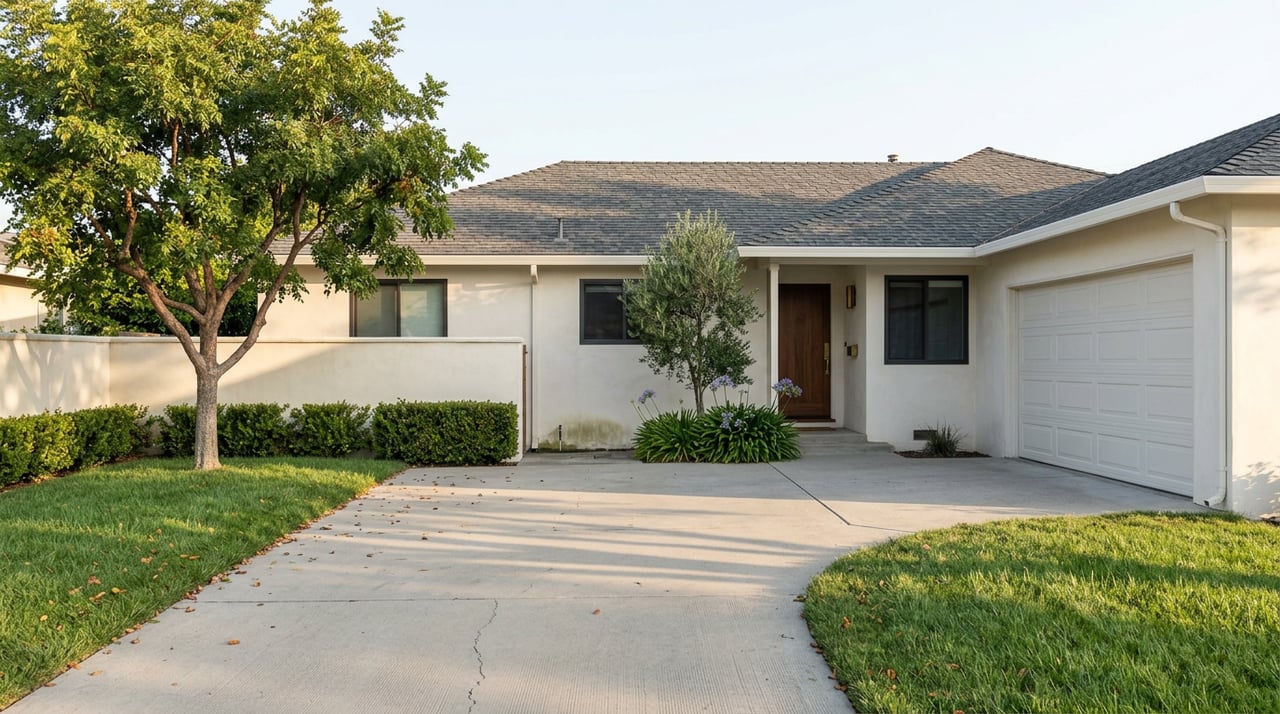
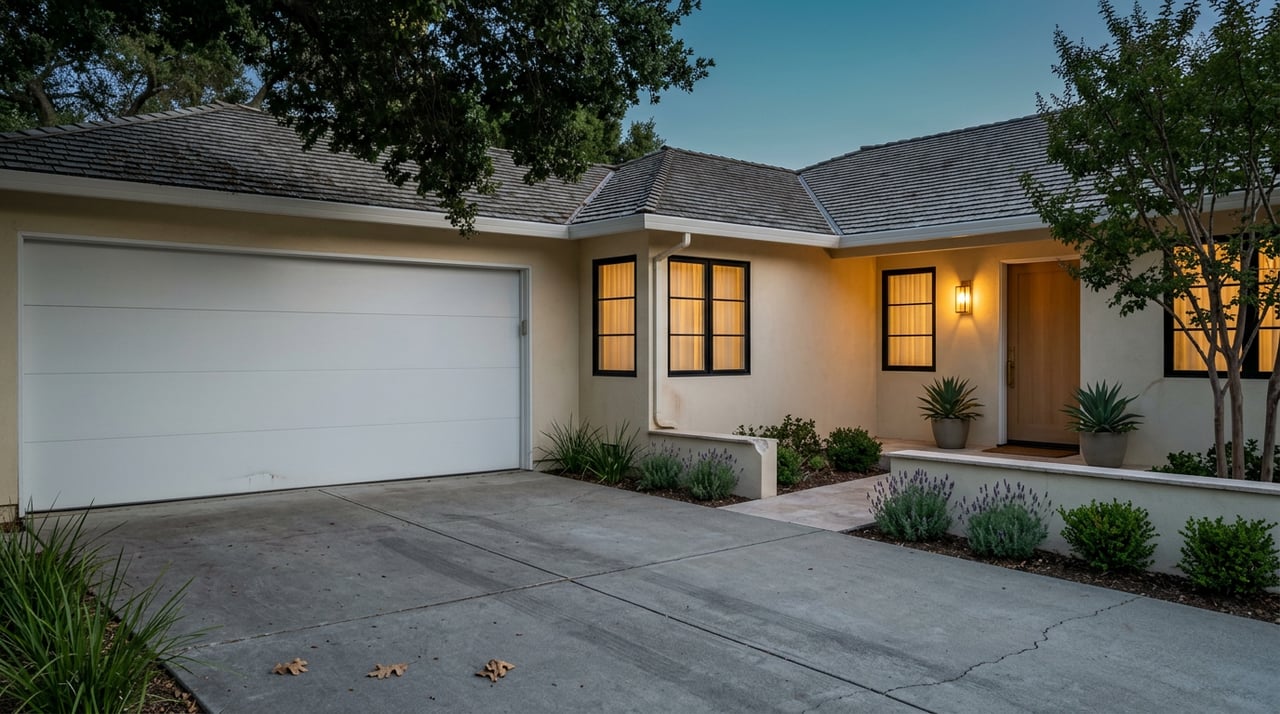
One of the clearest differences is the type of housing you are likely to see. Santa Clarita has a strong ownership base, with 71.8% of housing units owner-occupied, and city planning language points to a market shaped heavily by low-density and single-family-oriented neighborhoods.
That does not mean every home is detached or every street looks the same. It does mean Santa Clarita tends to read as more suburban, with a stronger bias toward detached homes and neighborhood layouts built around space and separation.
The San Fernando Valley is more mixed. Los Angeles planning documents describe the Valley as a blend of single-family neighborhoods, multifamily housing along corridors, and commercial uses on major boulevards.
In practical terms, that gives you more housing variety. Depending on the neighborhood, you may find single-family streets, condo and townhome options, apartment-heavy corridors, or areas with a stronger live-near-retail feel.
When Santa Clarita May Fit Better
Santa Clarita may be a stronger fit if you want:
- A clearer suburban identity
- More detached-home neighborhoods
- More open space and trail access
- A city that feels more unified in character
When the San Fernando Valley May Fit Better
The San Fernando Valley may be a stronger fit if you want:
- More housing-type options
- More neighborhood variety
- More mixed-use commercial corridors
- Flexibility to look at condos, townhomes, or single-family homes across a wide area
Think About Your Commute First
For many buyers, commute should be one of the first filters. A home that looks perfect online can feel very different once you factor in the roads, transit options, and daily travel pattern.
Santa Clarita is built around freeway and commuter-rail travel. The city operates 11 local fixed transit routes plus commuter service to Downtown Los Angeles, Century City, Westwood, North Hollywood, and Warner Center, and it has four Metrolink stations. Key routes include Interstate 5, State Route 14, and the Cross Valley Connector.
That setup works well for people whose routine centers on getting in and out of Santa Clarita to specific job hubs. Many buyers there think in terms of freeway access or Metrolink access rather than relying on a dense local transit grid.
The San Fernando Valley offers a more layered transit picture. Metro maps show a broad Valley transit network, with ongoing investment in the G Line, the East San Fernando Valley Light Rail Transit Project along Van Nuys Boulevard, and long-term planning tied to the Sepulveda Transit Corridor.
That does not remove congestion, which remains a major part of Valley life. But it does suggest more route choices, especially if your travel stays within the Valley or connects toward other parts of Los Angeles.
Questions To Ask About Commute
Before you choose either area, ask yourself:
- Where do you need to be most often during the week?
- Are you mostly driving, taking rail, or using a mix of both?
- Do you want easier access to one main route, or more route options overall?
- Will your commute stay the same over the next few years?
Look At Day-To-Day Feel
A lot of buyers focus on price and square footage first, but the daily feel of an area can matter just as much. This is where the difference between Santa Clarita and the San Fernando Valley becomes easier to picture.
Santa Clarita presents itself as a recreation-forward suburban city. The city profile highlights dozens of parks, more than 100 miles of off-street trails and paseos, thousands of acres of open space, community centers, library branches, and a steady calendar of events.
Old Town Newhall adds another layer, with galleries, dining, tasting rooms, local wineries, and boutique shops. For many buyers, that combination creates a lifestyle that feels organized, outdoors-focused, and community-centered.
The San Fernando Valley feels more mixed and more urban in parts, while still keeping a strong neighborhood identity. Los Angeles planning and park documents describe it as an area that keeps much of its suburban fabric while also urbanizing in places.
That means your experience can vary a lot from one neighborhood to another. North Hollywood, for example, includes both single-family and multifamily housing and the NoHo Arts District, while Valley Village is described as mostly single-family, and Van Nuys combines single-family neighborhoods with multifamily development and concentrated commercial corridors.
Compare Cost And Ownership Patterns Carefully
It is tempting to ask which area is cheaper, but that is too broad of a question. The better question is which area offers the kind of home you want at a monthly payment and lifestyle tradeoff that works for you.
Santa Clarita’s median owner-occupied home value is $784,700, and 71.8% of housing units are owner-occupied. In the Census profile for the San Fernando Valley CCD, the median household income is $90,176 compared with Santa Clarita’s $123,062. As one city example inside the Valley, San Fernando shows a median owner-occupied home value of $674,700 and a 61.6% owner-occupied rate.
These numbers are not a perfect apples-to-apples home price comparison across every neighborhood. They do, however, help show why the two areas can feel different in ownership mix, buyer profile, and affordability.
Use A Simple Decision Framework
If you are stuck between the two, a practical framework can help you narrow the choice.
Choose Santa Clarita If You Want
- A more clearly suburban city feel
- More open space and trail systems
- A stronger detached-home pattern
- A commute that works well with Metrolink or major freeway access to specific job centers
Choose The San Fernando Valley If You Want
- More neighborhood and housing variety
- More corridor-based shopping and dining patterns
- A wider set of transit and route options
- More flexibility across condos, townhomes, apartments, and single-family homes
The Best Way To Compare Both Areas
The most accurate way to choose is not by relying on broad regional labels alone. Santa Clarita and the San Fernando Valley both have strong options, but they solve different lifestyle problems.
Start by comparing the exact neighborhood, commute route, and home type you want. A condo near a busy Valley corridor will live very differently from a single-family home in a quieter pocket, just like a Santa Clarita home near commuter access may feel very different from one focused more on local lifestyle and recreation.
If you are buying for the first time, this kind of side-by-side comparison can save you from choosing based on assumptions. If you are moving up or relocating within the area, it can help you match your next home to the life you actually want to live.
With more than 20 years of local real estate experience across the San Fernando Valley and nearby markets, Enrique Sifuentes takes a patient, education-first approach so you can compare options clearly and move forward with confidence. If you want help weighing Santa Clarita against the Valley based on your budget, commute, and home goals, reach out to enrique sifuentes.
FAQs
Is Santa Clarita more suburban than the San Fernando Valley?
- Yes. Based on city and planning sources, Santa Clarita has a more clearly suburban identity with a stronger detached-home pattern, while the San Fernando Valley is more varied and mixed depending on the neighborhood.
Does the San Fernando Valley offer more housing variety than Santa Clarita?
- Yes. Los Angeles planning documents describe the San Fernando Valley as a mix of single-family neighborhoods, multifamily housing along corridors, and commercial uses, which gives buyers a broader range of home types.
Is Santa Clarita better for commuting to Downtown Los Angeles?
- It can be, depending on your route and routine. Santa Clarita has commuter service to Downtown Los Angeles and four Metrolink stations, so it may work well if your travel centers on rail or freeway access to specific job hubs.
Does the San Fernando Valley have more transit options within the region?
- Yes. Metro planning and system maps point to a more layered Valley transit network, including the G Line and ongoing rail projects, which can provide more route choices for trips within the Valley and toward other parts of Los Angeles.
Which area feels more recreation-focused, Santa Clarita or the San Fernando Valley?
- Santa Clarita is more clearly positioned as recreation-forward, with dozens of parks, more than 100 miles of off-street trails and paseos, and thousands of acres of open space highlighted in city materials.
Should homebuyers compare Santa Clarita and the San Fernando Valley by region alone?
- No. The better approach is to compare the exact neighborhood, commute route, and home type you want, since both areas include very different living experiences within their broader regional labels.