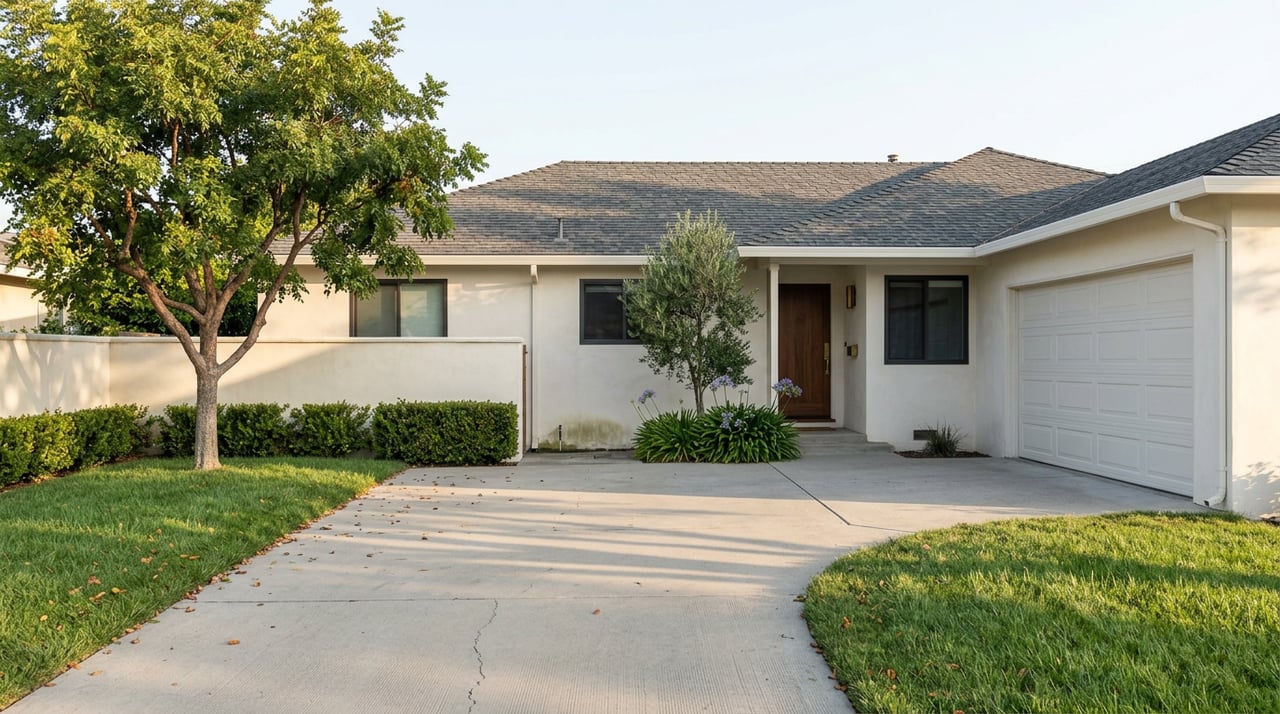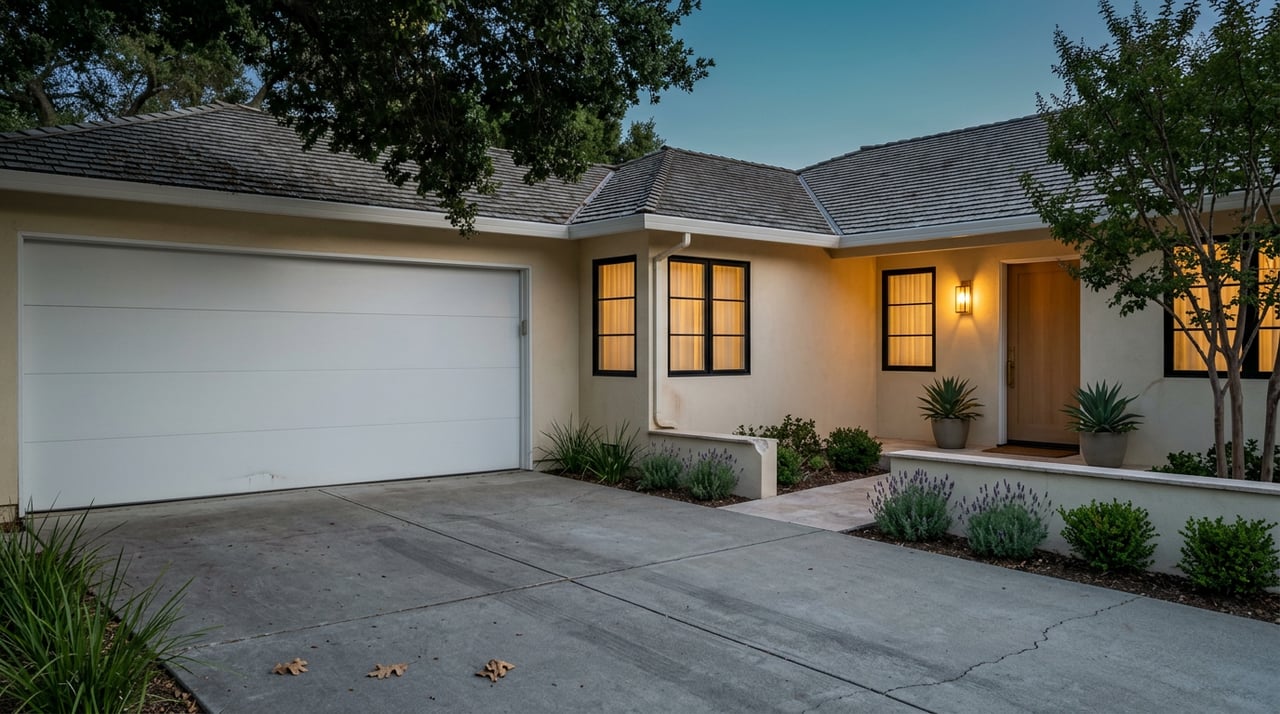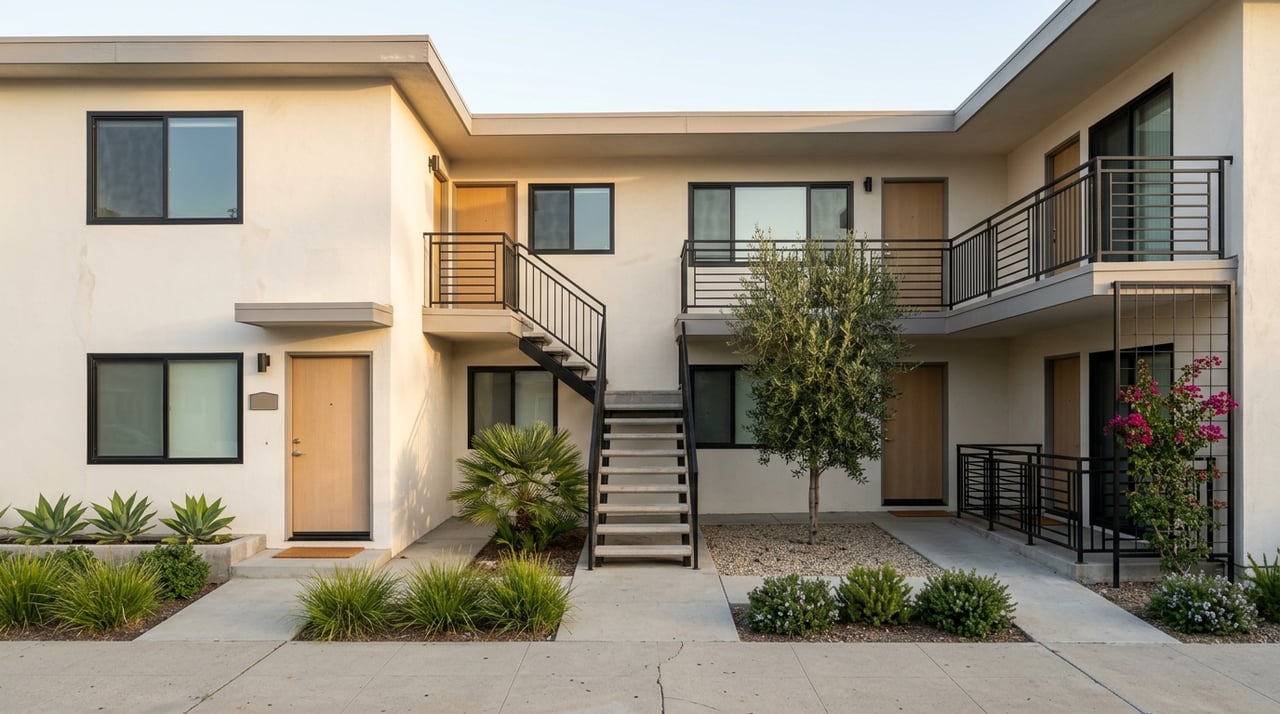
If you have been looking for a way to buy in the San Fernando Valley while creating rental income at the same time, small multifamily properties may deserve a closer look. In areas like Sun Valley, these opportunities can be appealing, but they also come with more moving parts than a typical single-family purchase. If you understand what to check first, you can spot better opportunities and avoid costly surprises. Let’s dive in.
Why small multifamily stands out
In Sun Valley, the housing mix is more varied than many buyers expect. The City Planning demographic profile for Sun Valley-La Tuna Canyon shows 25,544 dwelling units, with 54.3% owner-occupied and 45.7% renter-occupied units. It also shows that 35.7% of units are in multiple-housing structures, which helps explain why this niche remains relevant in this part of the Valley.
The area’s housing stock also points to why these properties can be interesting for both owner-occupants and investors. A City Planning housing summary shows 62.1% detached homes, 27.7% units in buildings with 5 or more units, and 3.1% in 2-to-4-unit properties. The same summary reports a median year built of 1959, with about 82.5% of units built before 1980, so many properties may involve older systems, deferred maintenance, or renovation questions.
What counts as small multifamily
When people talk about small multifamily opportunities around the San Fernando Valley, they usually mean duplexes, triplexes, fourplexes, and some small low-rise apartment buildings. These properties can offer more flexibility than a single-family home because they may create income from one or more units while still fitting a neighborhood-scale footprint.
That said, the label in a listing is not enough. In Los Angeles, what is allowed on a parcel depends on the General Plan, the Community Plan, the zoning designation, and any overlays that apply to that specific property. That is why two properties that look similar on the surface can have very different rules and potential.
Sun Valley requires parcel-specific research
Sun Valley sits within the City of Los Angeles Sun Valley-La Tuna Canyon Community Plan area. The city planning materials also identify local overlays such as the Sun Valley Community Design Overlay and the Stonehurst Historic Preservation Overlay Zone.
For you as a buyer, that matters because exterior changes, additions, or redevelopment plans may trigger extra design or preservation review. A property may seem like a simple value-add opportunity, but the path to remodel or expand can be more involved than expected. In this part of the Valley, the strongest opportunities are often the ones where the legal unit count, permit history, and renovation scope are already clearer upfront.
Start with legal unit verification
Before you focus on rent upside or cosmetic improvements, confirm what you are actually buying. One of the most important first steps is verifying whether the property is a legal duplex, triplex, or fourplex rather than an informal conversion or a layout that does not match public records.
The City of Los Angeles points buyers to ZIMAS as a practical parcel-level research tool. According to City Planning, ZIMAS can show land use and zoning designations, building permit history, planning entitlements, overlays, historic preservation review, and Rent Stabilization Ordinance status. For small multifamily buyers in Sun Valley, that makes it a key starting point for due diligence.
What to confirm early
- Legal unit count
- Zoning and land use designation
- Permit history
- Planning overlays
- Historic review issues
- RSO status
If these basics are unclear, the deal may be riskier than it first appears. Clear records do not guarantee an easy transaction, but they can give you a much better foundation for decision-making.
Owner-occupant buyers may have strong options
For many buyers, the most practical path into small multifamily is to live in one unit and rent the others. This strategy can help offset your monthly housing costs while you build equity in a property that serves both as a home and an income-producing asset.
HUD states that FHA-insured loans can be used for 1-to-4-unit properties and may require as little as 3.5% down. HUD also states that VA-backed purchase loans can be used to buy a home with up to 4 units as long as the borrower lives in the property. For buyers who want a more affordable entry point into the Valley, this can make a duplex, triplex, or fourplex worth considering.
Why this appeals to first-time and repeat buyers
- You may reduce your out-of-pocket housing cost through rental income
- You can enter the market with a property type that offers multiple uses
- You may keep future flexibility if your needs change later
Of course, financing should match your real plan for the property. If you intend to occupy a unit, your loan path may look different than it would for a non-owner-occupied purchase.
Investors need to look past unit count
If you are buying strictly as an investment, the value of a small multifamily property is not just about how many doors it has. The stronger analysis usually focuses on whether the unit count is legal, what the current rents are, how stable occupancy appears, what the maintenance load looks like, and whether the property can be financed smoothly.
Parking, building condition, and expense patterns also matter. In an older housing area like Sun Valley, those details can shape your actual returns more than a simple rent estimate. A deal that looks attractive based on gross income alone may feel very different once repairs, regulation, and vacancy risk are part of the picture.
Local rental rules can change the math
In Los Angeles, rent rules are one of the biggest reasons small multifamily needs careful review. LAHD states that the Rent Stabilization Ordinance generally applies to properties built on or before October 1, 1978. LAHD also says covered properties can include apartments, condominiums, townhomes, duplexes, and two or more single-family dwelling units on the same parcel, and that RSO units must be registered annually.
This matters in Sun Valley because much of the housing stock is older. Since a large share of local units were built before 1980, many small multifamily properties may fall into a category where rent rules affect income strategy, timing, and future planning.
State rules matter too
California’s Tenant Protection Act creates statewide protections against excessive rent increases and requires just cause for eviction in many residential rental properties. According to the California Attorney General, annual increases are generally capped at 5% plus CPI or 10% total, whichever is lower.
The same notice highlights some exemptions, including certain new construction and a two-unit property where the owner lives in one unit during the entire tenancy. That creates an important nuance for duplex buyers who plan to owner-occupy.
Why the rules are not one-size-fits-all
A property’s rental rules are not determined by unit count alone. They can also depend on age, occupancy, ownership structure, and local jurisdiction. In other words, an owner-occupied duplex and a non-owner-occupied fourplex may operate under very different practical rules, even if they are on similar streets.
A smart review order for Valley deals
When buyers get excited about a small multifamily property, it is easy to jump right into renovation ideas or projected rent increases. In Los Angeles, that is usually the wrong order. A better approach is to confirm the legal and regulatory framework first, then review the numbers, then think about upgrades.
A practical review sequence
- Verify legal unit count and parcel details
- Check zoning, overlays, and permit history
- Confirm whether RSO or other tenant rules apply
- Review current rents, vacancy, and expenses
- Match the property to your financing strategy
- Evaluate repairs, maintenance, and renovation plans
This sequence can help you avoid chasing a property based on upside that may not be practical. It also helps you compare opportunities more clearly when several listings seem similar at first glance.
What makes a stronger opportunity
The best small multifamily opportunities around Sun Valley are often not the ones with the flashiest marketing. They are the ones where the paperwork is clearer, the intended use matches the financing path, and the condition and rules are easier to understand before you commit.
That does not mean every older property is a problem. It means the best outcomes usually come from patient analysis, clear communication, and local knowledge. In a due-diligence-heavy niche like this, those basics can make a major difference.
If you are exploring duplexes, triplexes, fourplexes, or other multi-residential opportunities in the San Fernando Valley, working with someone who knows the local market can help you sort through the details with more confidence. To talk through your goals and next steps, connect with enrique sifuentes.
FAQs
What is considered a small multifamily property in Sun Valley?
- Small multifamily usually refers to duplexes, triplexes, fourplexes, and some small low-rise apartment buildings.
Why do Sun Valley multifamily properties need extra due diligence?
- Sun Valley properties can be affected by parcel-specific zoning, permit history, planning overlays, historic review, and local rental rules, so each property needs careful review.
How can you check if a Los Angeles multifamily property has legal units?
- City Planning identifies ZIMAS as a key research tool because it provides parcel-specific zoning, permit history, planning entitlements, overlays, historic review, and RSO status.
Can you buy a 2-to-4-unit property with owner-occupant financing?
- Yes. HUD states that FHA-insured loans can be used on 1-to-4-unit properties and that VA-backed purchase loans can be used for up to 4 units if the borrower lives in the home.
When does the Los Angeles Rent Stabilization Ordinance apply to small multifamily?
- LAHD says the RSO generally applies to rental properties built on or before October 1, 1978, including many duplexes and apartment properties in Los Angeles.
Why does property age matter for small multifamily in Sun Valley?
- City Planning data shows much of the local housing stock is older, with a median year built of 1959 and about 82.5% of units built before 1980, which can affect maintenance needs and rent-rule review.