If you are thinking about buying in Conejo Valley, you are probably asking a bigger question than just price or square footage. You want to know what daily life really feels like and whether the commute will fit your routine. In Thousand Oaks, that decision often comes down to a simple tradeoff: more open space and a more residential pace, with travel times that still depend heavily on the freeway. This guide will help you picture that balance more clearly. Let’s dive in.
What life feels like in Thousand Oaks
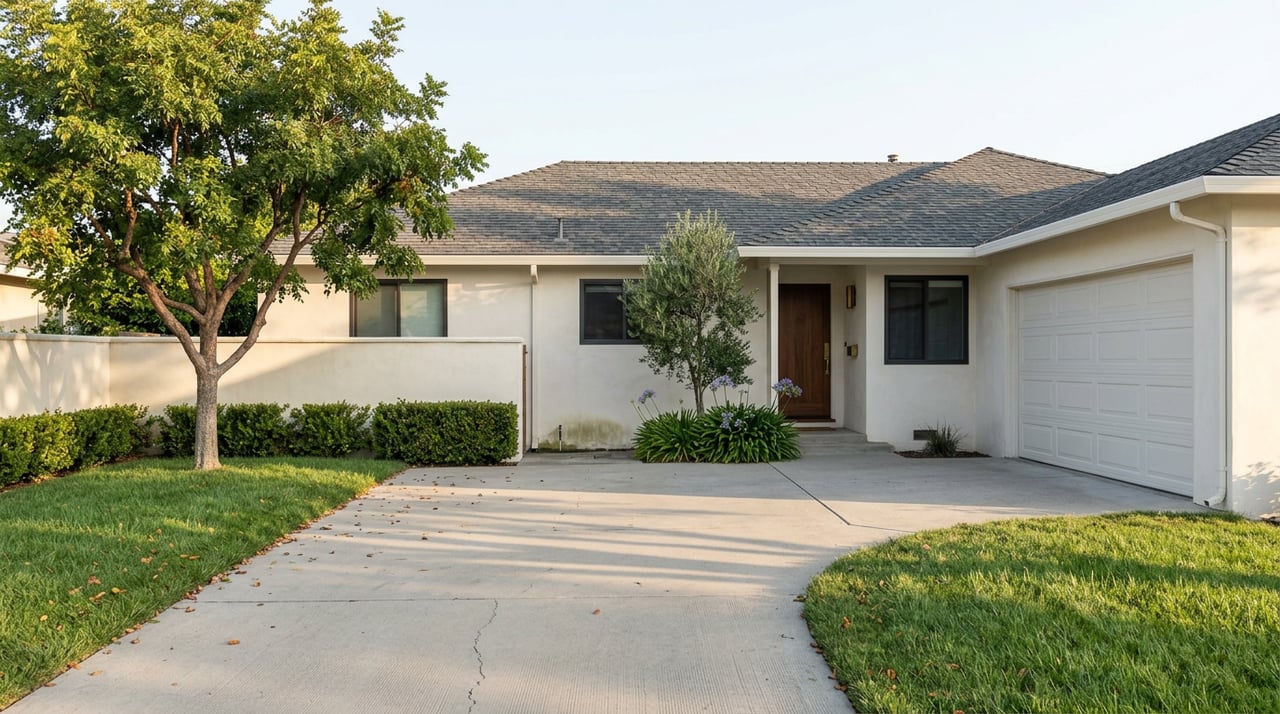
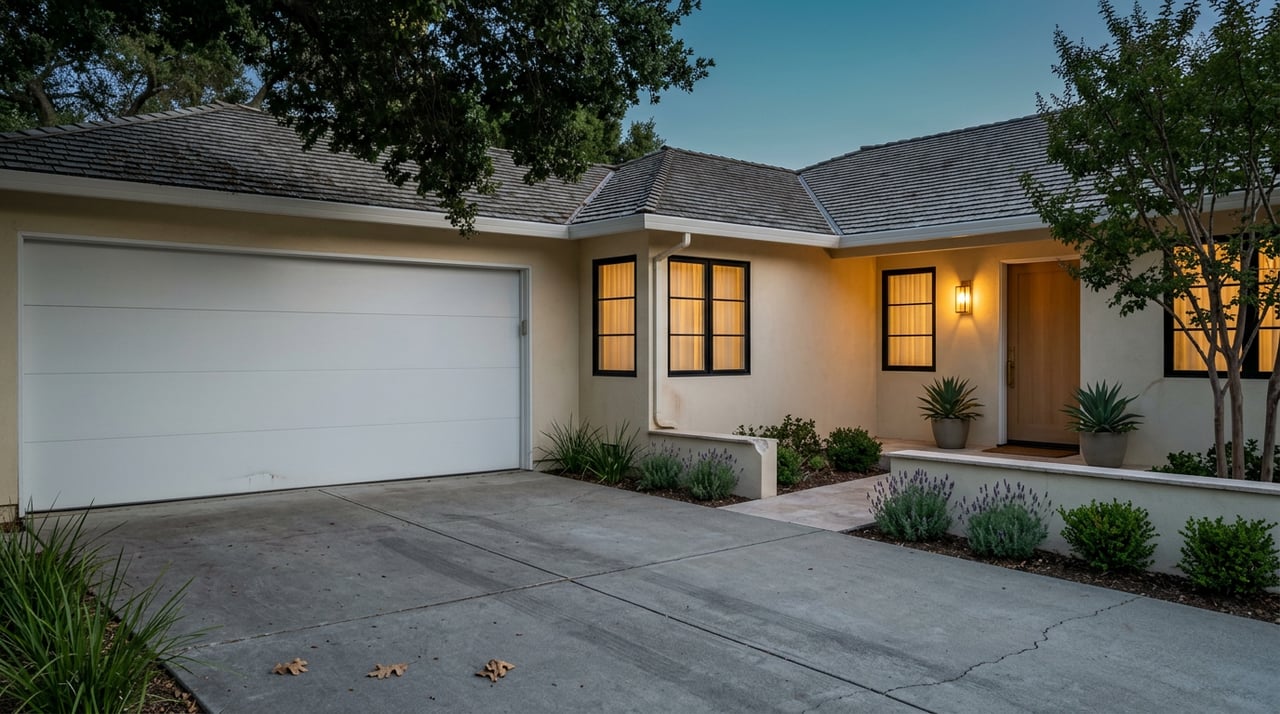
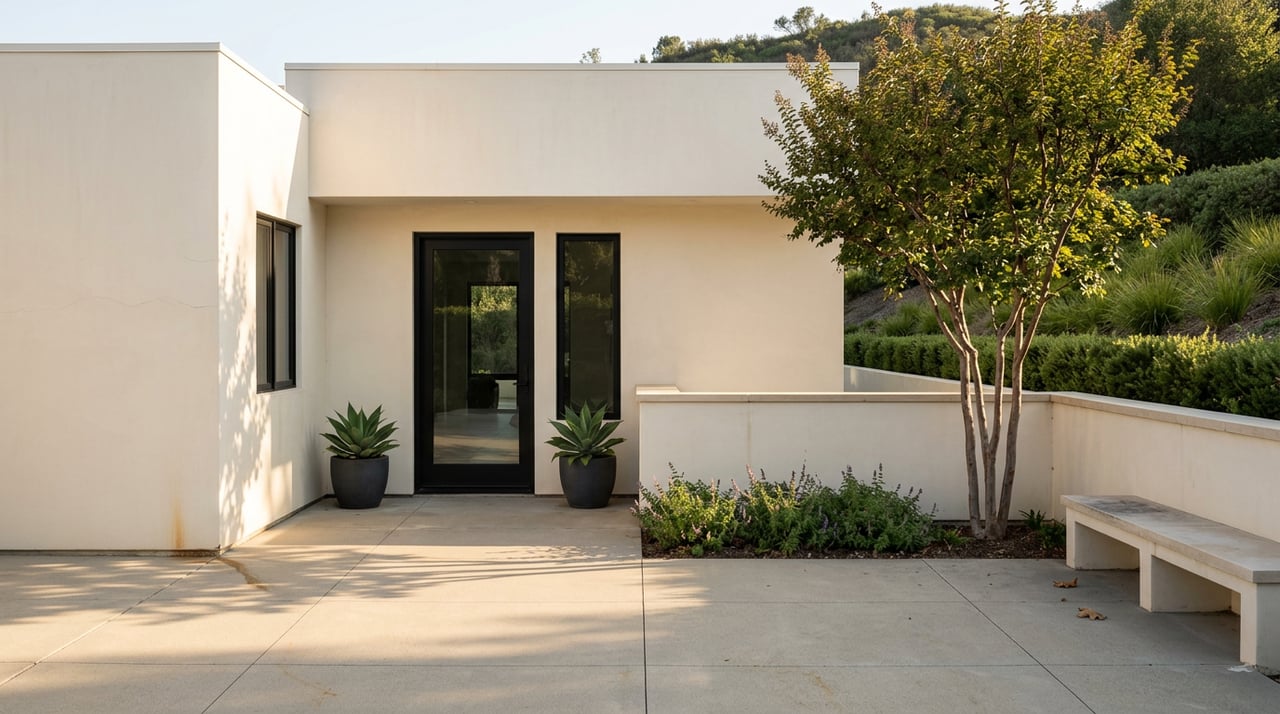
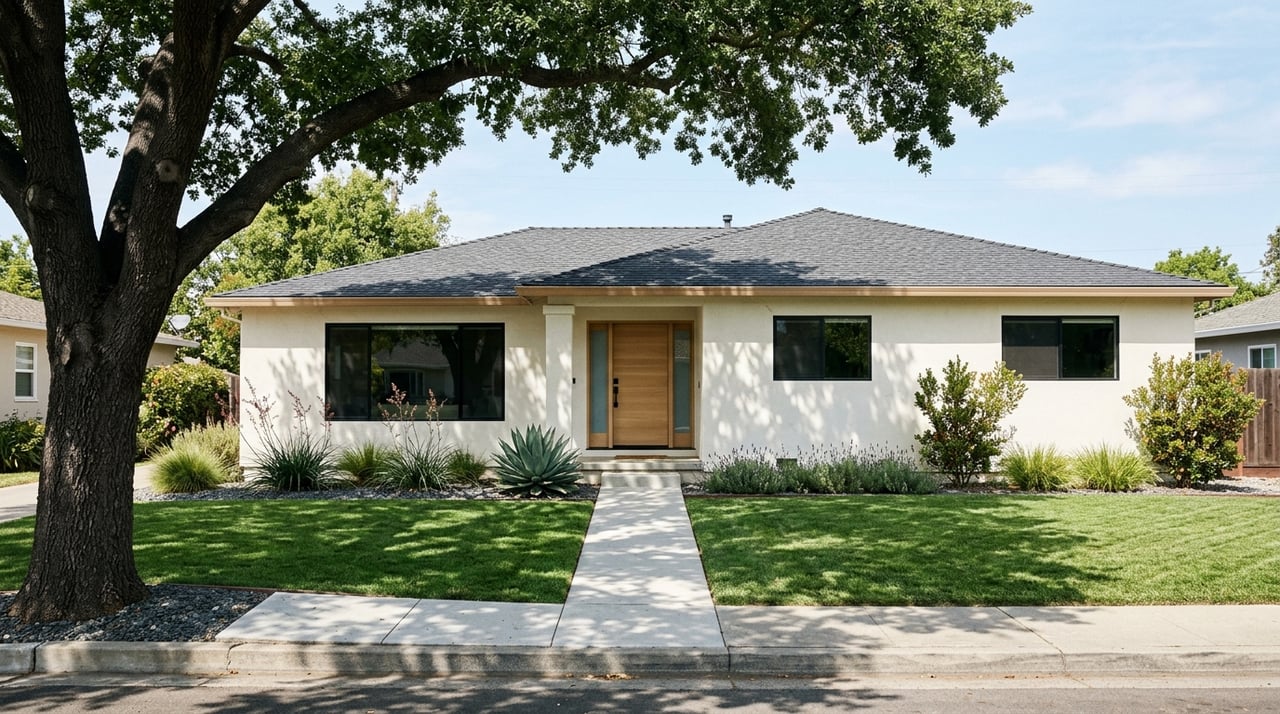
Thousand Oaks offers a more suburban daily rhythm than many buyers are used to in Los Angeles. The city describes itself as a place to live, work, and recreate, with access to shopping, cultural arts, community amenities, and nearby job opportunities. For many buyers, that creates a lifestyle that feels more spacious and a little less rushed.
It is also a sizable community, not a small outpost. U.S. Census QuickFacts estimates the population at 122,230 in 2025, with a 70.8% owner-occupied housing rate. That can matter if you are looking for an established market with a strong residential feel.
From a housing-cost perspective, it helps to go in with realistic expectations. QuickFacts estimates a median owner-occupied home value of $991,600 and a median gross rent of $2,664. If you are comparing Thousand Oaks with parts of the San Fernando Valley, the lifestyle upgrade may be clear, but your budget and commute tolerance still need to line up.
Why buyers choose Conejo Valley
For many people, Conejo Valley is appealing because it offers a different pace of life without feeling disconnected from the region. Thousand Oaks sits between Los Angeles and Santa Barbara, near the Santa Monica Mountains, and the city says it is about 35 miles from Downtown Los Angeles. That location gives you access to a broader job and lifestyle map while still living in a more residential setting.
The city also supports a full everyday routine, not just a place to sleep between workdays. Thousand Oaks highlights libraries, parks, shopping, cultural arts, and public facilities as part of daily life. If you are buying a home, that matters because your experience of a city is built on ordinary errands and weekends, not just commute time.
Everyday amenities that shape your routine
When you picture living somewhere, small conveniences often matter more than big selling points. Thousand Oaks has two library branches, Grant R. Brimhall Library and Newbury Park Library, through its Cultural and Community Services department. The same department also includes theatre management, community grants, the Youth Commission, and the Council on Aging.
That range of civic services helps show how the city is organized around everyday use. Instead of a dense urban pattern, the local rhythm leans toward planned errands, community programs, and lower-key weekends. For buyers who want more breathing room in daily life, that can be a strong plus.
A major local cultural anchor is the Bank of America Performing Arts Center at Civic Arts Plaza. The city-owned, city-operated venue hosts theatre, concerts, Broadway, symphony, dance, and children's performances. That gives buyers another reason to see Thousand Oaks as more than just a commuter city.
Outdoor living is a major draw
If outdoor access is high on your list, Thousand Oaks stands out. The city says it has over 15,000 acres of publicly owned open space and about 150 miles of trails within its boundaries. Conejo Recreation and Park District also reports a large open-space system with 52 parks, 12,500 acres of open space, and more than 150 miles of multi-use trails.
The exact acreage varies by source, but the bigger point is clear. Outdoor recreation is not a side feature here. It is part of the local lifestyle.
Wildwood Regional Park is a good example of that daily access. It includes 14 trails covering 17 miles and supports hiking, biking, horseback riding, camps, and interpretive programs. If your ideal weekend includes time outside instead of fighting traffic across town, this kind of access can shape your decision in a very real way.
The larger outdoor network goes beyond city limits. The Santa Monica Mountains National Recreation Area covers more than 150,000 acres across Ventura and Los Angeles counties and includes more than 500 miles of trails. For buyers who want scenery, trail access, and outdoor recreation close to home, Conejo Valley has a strong case.
Commute reality in Thousand Oaks
The lifestyle appeal is strong, but the commute question deserves an honest look. Thousand Oaks is connected, yet it remains a freeway-oriented market. The city says it is about 35 miles from Downtown Los Angeles, and regional travel is shaped largely by U.S. 101, State Route 23, and State Route 118.
That means your day-to-day experience will depend a lot on where you work and when you travel. Even when a destination looks manageable on a map, actual timing can shift based on traffic patterns, construction, or weather. The city also notes that bus schedules can be affected by those same factors.
This is why Conejo Valley is often best understood as a tradeoff market. You may gain more space, outdoor access, and a quieter daily rhythm, but you should expect commute times to remain traffic-sensitive.
What the average commute suggests
U.S. Census QuickFacts estimates a mean travel time to work of 24.6 minutes in Thousand Oaks. That gives you a useful general benchmark, but it should not be treated as a promise for every buyer or every job center. Your actual commute could look very different depending on whether you work locally, in the west San Fernando Valley, or farther into Los Angeles.
The key is to think about your real weekly pattern. If you commute five days a week, the freeway tradeoff may feel very different than it would for a hybrid schedule. Buyers who work remotely part of the week often see more value in the lifestyle side of the equation.
Driving routes buyers should know
For most households, driving will still be the main way to get around. Regional agencies highlight U.S. 101, State Route 23, and State Route 118 as key travel corridors affecting Thousand Oaks. If you are commuting east, west, or toward the Valley, those routes will likely shape your schedule.
There is also ongoing effort to improve mobility in the corridor. VCTC is improving a 27-mile segment of U.S. 101 between Thousand Oaks and Ventura to reduce congestion and improve mobility. That is helpful long term, but buyers should still plan around the current reality of traffic-sensitive travel.
Public transit options for daily use
Public transit is part of the picture, but it usually works best as a supplement rather than a full replacement for driving. Thousand Oaks Transit operates six local bus routes plus one seasonal route to Zuma Beach and Ventura Harbor. The system is designed around everyday destinations such as shopping centers, schools, hospitals, parks, and public facilities.
Local service can be useful for shorter trips within the city. The transit system also offers free transfers between local routes and VCTC intercity buses, along with real-time bus tracking. For some buyers, that creates a practical backup option for errands, mixed-mode commuting, or family scheduling.
The Thousand Oaks Transportation Center is another useful piece of the system. The city says commuters can park there on a first-come, first-served basis, and local routes connect it to places like the libraries, The Oaks Mall, and the senior center. That can help if you want a park-and-ride option as part of your routine.
Regional transit beyond the city
For buyers commuting toward the west San Fernando Valley and nearby job centers, VCTC's HWY 101 service is especially relevant. Routes 50 through 55 serve Ventura, Oxnard, Camarillo, Newbury Park, Conejo Industrial Park, Thousand Oaks, and Woodland Hills, including stops such as the Thousand Oaks Transportation Center, The Oaks Mall, the Orange Line, Pierce College, and Kaiser Hospital in Burbank.
That does not mean every commute becomes easy by bus. It does mean some buyers can use transit for part of the trip or keep it as a backup plan when driving is less appealing. If flexibility matters to you, this can be an important factor.
Rail is available nearby, but it is not the center of the Thousand Oaks commute story. Moorpark station on Metrolink's Ventura County Line offers access into the broader regional transit network. For some buyers, that adds another option, even if day-to-day commuting still depends mostly on driving or bus-to-rail connections.
Who tends to like this lifestyle most
Conejo Valley often appeals to buyers who want their home environment to do more for them. If you value parks, trails, cultural amenities, and a more residential feel, Thousand Oaks can check many of those boxes. It can be especially attractive if your work schedule gives you some flexibility or if your commute is toward nearby parts of the Valley rather than deep into central Los Angeles.
It may also suit buyers who want a clearer separation between work life and home life. The local mix of open space, public amenities, and community facilities supports a routine that can feel more grounded and less compressed. For many people, that quality-of-life change is the real reason they start looking here.
How to judge if Conejo Valley fits you
Before you buy, try to measure the tradeoff honestly. Ask yourself how often you need to commute, what time you usually travel, and how much you value trail access, parks, and a quieter daily setting. The answer is not just about distance. It is about how you want your weeks to feel.
A simple checklist can help:
- Compare your likely drive times on workdays, not just weekends
- Think about whether you want more outdoor access near home
- Consider whether local transit would help with part of your routine
- Weigh housing costs against the lifestyle value you expect to gain
- Picture your normal errands, evenings, and weekends in a more residential setting
If that picture feels like an upgrade, Conejo Valley may be worth a closer look. And if you want help comparing Thousand Oaks with nearby Valley options, having a patient, local guide can make the decision much clearer.
If you are weighing Conejo Valley against the San Fernando Valley and want practical guidance at your pace, enrique sifuentes can help you compare lifestyle, commute, and home options with clear communication every step of the way.
FAQs
What is daily life like for homebuyers in Thousand Oaks?
- Thousand Oaks offers a more residential pace with access to parks, trails, libraries, shopping, and cultural venues, making it appealing for buyers who want more space and everyday convenience.
How long is the average commute in Thousand Oaks?
- U.S. Census QuickFacts estimates a mean travel time to work of 24.6 minutes, but your actual commute will depend on your job location, route, and traffic conditions.
Is Thousand Oaks a good fit if you work in Los Angeles or the San Fernando Valley?
- It can be, especially if you work in the west San Fernando Valley or have a hybrid schedule, but buyers should expect commuting to remain heavily shaped by freeway traffic.
What public transit options do buyers have in Thousand Oaks?
- Buyers can use Thousand Oaks Transit for local trips and VCTC intercity service for regional travel, with connections through the Thousand Oaks Transportation Center and stops along the HWY 101 corridor.
Why do buyers choose Conejo Valley over denser Los Angeles areas?
- Many buyers are drawn to Conejo Valley for its open space, trail access, parks, cultural amenities, and a more suburban day-to-day lifestyle.
How much outdoor access does Thousand Oaks offer residents?
- Official city and park district sources report extensive outdoor amenities, including dozens of parks, thousands of acres of open space, and about 150 miles or more of trails.